
Protecting Your Home From Weather Damage
Siding Installation & Replacement in Hamilton and surroudning areas for homes facing storm damage, energy loss, or aging exterior materials
CrownMark Construction handles siding installation and replacement across Trenton, addressing weather-damaged panels, worn materials that no longer protect against moisture, and outdated systems that drive up heating and cooling costs. Vinyl siding, fiber cement siding, and engineered wood siding each offer different levels of impact resistance and insulation performance, making material selection critical for homes in areas with freeze-thaw cycles and seasonal storm activity. You'll notice the difference immediately in how wind-driven rain no longer penetrates seams and how interior temperatures stabilize without constant thermostat adjustments.
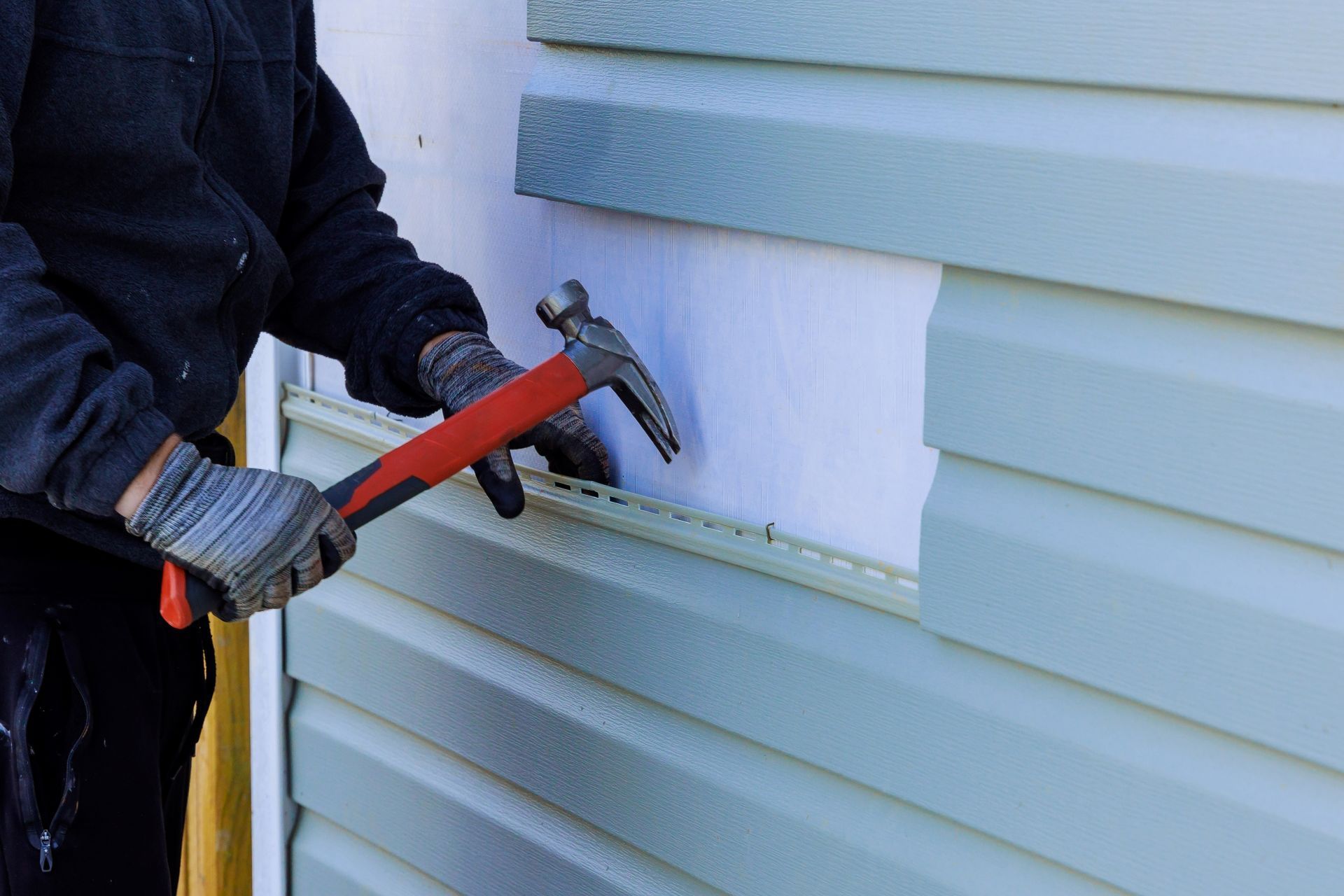
Siding replacement involves removing compromised panels down to the sheathing, inspecting for moisture intrusion or structural damage underneath, then installing new material with proper flashing and trim integration to seal every transition point. Storm-damaged siding repair focuses on sections where hail impact has cracked surfaces or high winds have torn panels loose, addressing those failure points before water reaches the wall cavity. Energy-efficient siding options include insulated vinyl that adds an R-value layer or fiber cement that resists thermal bridging better than thin aluminum.
Schedule a property evaluation to identify compromised panels and receive material recommendations based on your home's exposure.
What Proper Siding Installation Requires
Trim installation and exterior weather protection depend on how well each panel interlocks and whether the house wrap beneath remains intact during removal. Fiber cement siding requires pre-painting or factory finishing and specific fastener types that won't rust through or crack the boards during expansion cycles, while vinyl siding needs room to shift with temperature changes without buckling. Engineered wood siding provides a natural appearance but demands sealed edges and proper clearance above grade to prevent moisture wicking.
After CrownMark Construction completes the installation, you'll see uniform panel alignment with no wavering lines, corner trim that sits flush without gaps, and window surrounds that channel water away from the openings instead of trapping it behind the siding. Energy bills typically drop within the first full season as conditioned air no longer escapes through cracked seams and wind no longer pushes through loose panels.
Siding replacement projects often reveal hidden damage to sheathing or framing that wasn't visible until the old material came off, which means the scope can expand once work begins. Homes with previous amateur repairs sometimes have mismatched panel thicknesses or missing moisture barriers that need correction before new siding goes up, adding steps to ensure the system performs as intended long-term.
What Property Owners Usually Ask
Questions about siding materials and installation methods come up frequently during estimates and project planning.
What's the difference between vinyl and fiber cement siding for Trenton homes?
Vinyl siding costs less and installs faster but can crack under impact, while fiber cement resists hail damage and fire but requires periodic repainting and weighs significantly more, sometimes requiring additional framing support.
How long does a full siding replacement take?
Most single-family homes take one to two weeks depending on size, existing material removal complexity, and whether sheathing repairs are needed once old siding comes off.
What happens if moisture damage is found during removal?
The damaged sheathing or framing gets replaced before new siding installation proceeds, which extends the timeline but prevents trapping rot behind new materials.
When is the best time to replace siding?
Spring and fall offer moderate temperatures that make installation easier and allow sealants to cure properly, though emergency storm-damaged repairs happen year-round regardless of season.
Does new siding require maintenance?
Vinyl siding needs occasional washing to remove mildew but no repainting, while fiber cement and engineered wood require repainting every ten to fifteen years and regular inspections for edge seal failures.
CrownMark Construction provides detailed material comparisons during consultations, showing samples of vinyl, fiber cement, and engineered wood options so you can evaluate durability and appearance before committing. Request an on-site assessment to determine which siding system matches your home's structure and exposure conditions.