Leaks Stopped Before Interior Damage Spreads
Roof Installation & Roof Repair in Hamilton and surroudning areas for new construction and properties with active leaks or missing shingles
Missing shingles and damaged flashing allow water to reach roof decking and insulation, creating stains on ceilings and walls that spread with each rainfall. New construction roofing involves installing complete systems on bare decking, while roof repairs address isolated failures like torn shingles, separated flashing, or punctures from fallen branches. CrownMark Construction provides both new roof installation for residential and commercial buildings and targeted repairs that stop leaks without replacing sections that still function correctly.
Leak detection begins with tracing water stains back to their entry point, which is often several feet upslope from where the damage appears inside due to water running along rafters or decking. Emergency roof repairs involve temporary tarping to prevent further water intrusion while materials are sourced and weather conditions allow for permanent fixes, including shingle replacement, flashing resealing, or valley reinforcement.
Arrange an inspection to identify the source of leaks and determine whether localized repairs or broader intervention is needed.
How Roof Repairs Address Leak Sources
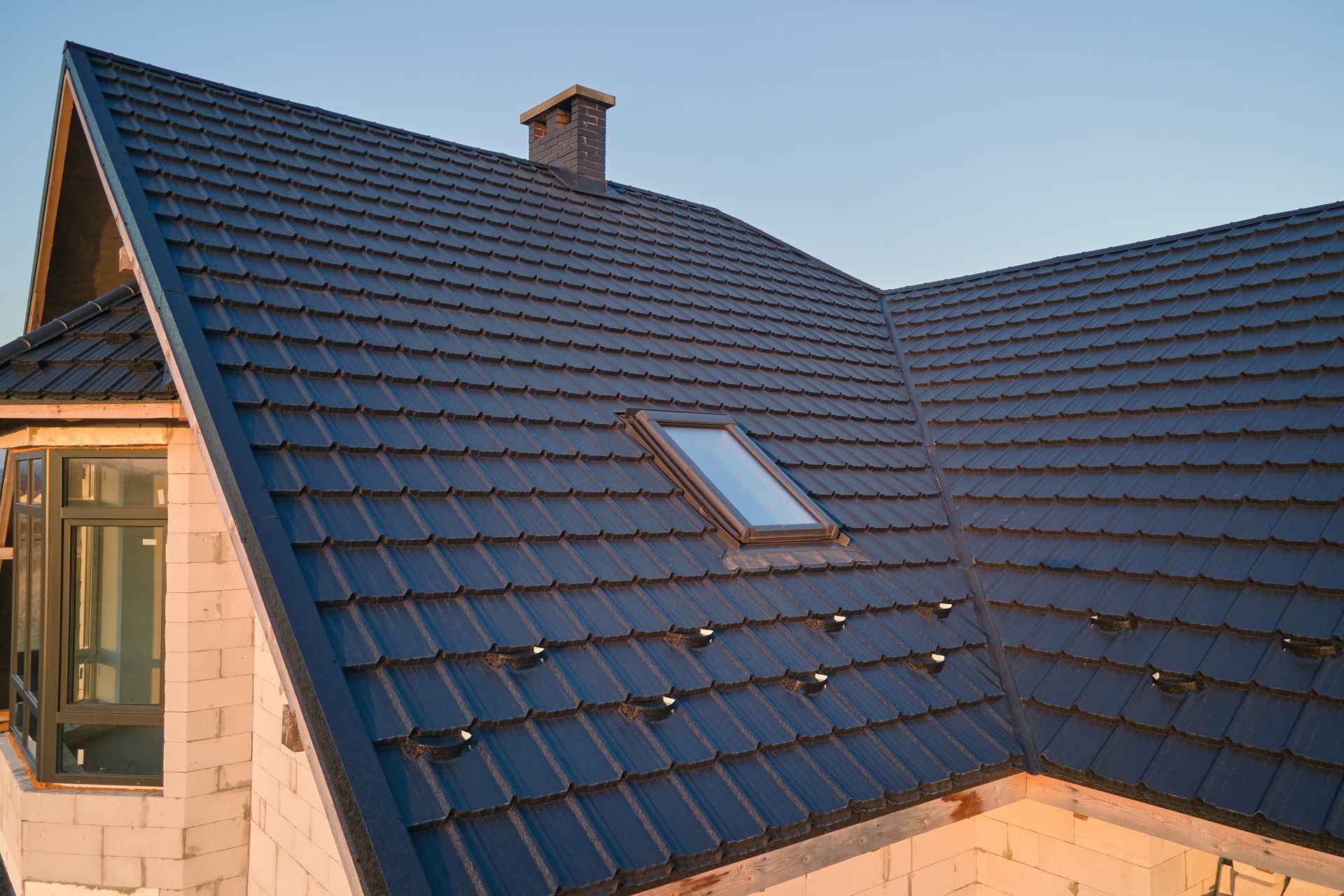
Storm damage repairs often involve replacing clusters of shingles torn loose by high winds, resealing lifted tabs, and inspecting surrounding areas for hidden damage that will fail during the next weather event. Flashing repairs focus on the metal components around chimneys, vent pipes, and roof-to-wall transitions where sealant degrades and metal corrodes over time, creating gaps that funnel water into the building.
After repairs are completed, ceiling stains stop expanding, attic insulation dries out, and you no longer hear dripping sounds inside walls during heavy rain. The repaired sections match the existing roof in color and texture, and all fasteners are sealed to prevent new entry points from developing around nail heads.
Preventative roof maintenance includes periodic inspections after major storms, clearing debris from valleys and around penetrations, and resealing flashing before small gaps turn into active leaks. Repairs do not extend the overall lifespan of an aging roof but do prevent localized failures from forcing premature replacement of the entire system.
Common Questions About This Service
Property owners often need clarity on repair scope, timing, and whether isolated fixes will hold or simply delay inevitable replacement.
How do you locate the source of a roof leak?
Water entry points are found by inspecting the roof surface directly above interior stains and working upslope to identify damaged shingles, separated flashing, or nail pops that allow water penetration.
What qualifies as emergency roof repair?
Emergency repairs involve immediate tarping or temporary patching when active leaks threaten interior damage to electrical systems, insulation, or structural framing during ongoing storms.
Can missing shingles be replaced without replacing the entire roof?
Individual shingles or small sections can be replaced if the surrounding materials are still in good condition and replacement shingles can be matched closely enough to avoid obvious patchwork appearance.
Why do flashing repairs fail after a few years?
Flashing relies on sealant that degrades under UV exposure and temperature cycling, so repairs that only add more sealant without addressing corroded metal or improper installation often fail again within two to three years.
When should I choose repair instead of replacement in Hamilton?
Repairs make sense when the roof is less than halfway through its expected lifespan, damage is isolated to a small area, and the majority of shingles still show good granule retention and flexibility.
CrownMark Construction responds to emergency repair calls and schedules inspections to assess whether repairs will provide a reliable fix or if replacement is the more practical investment. Contact the office directly at (609) 964-8327 to describe your leak symptoms and schedule a roof inspection.