Material Choices That Match Building Requirements
Shingle, Metal, Steel & Slate Roofing in Hamilton and surroudning areas for roof upgrades, energy efficiency improvements, or premium material installations
Roofing material selection affects both upfront installation cost and long-term performance across decades of weather exposure. CrownMark Construction installs asphalt shingle roofing, standing seam metal roofs, steel roofing systems, and natural or synthetic slate roofing across residential properties in Trenton. Each material handles wind, hail, ice, and UV exposure differently, and the choice depends on building design, budget, and how long you plan to own the property.
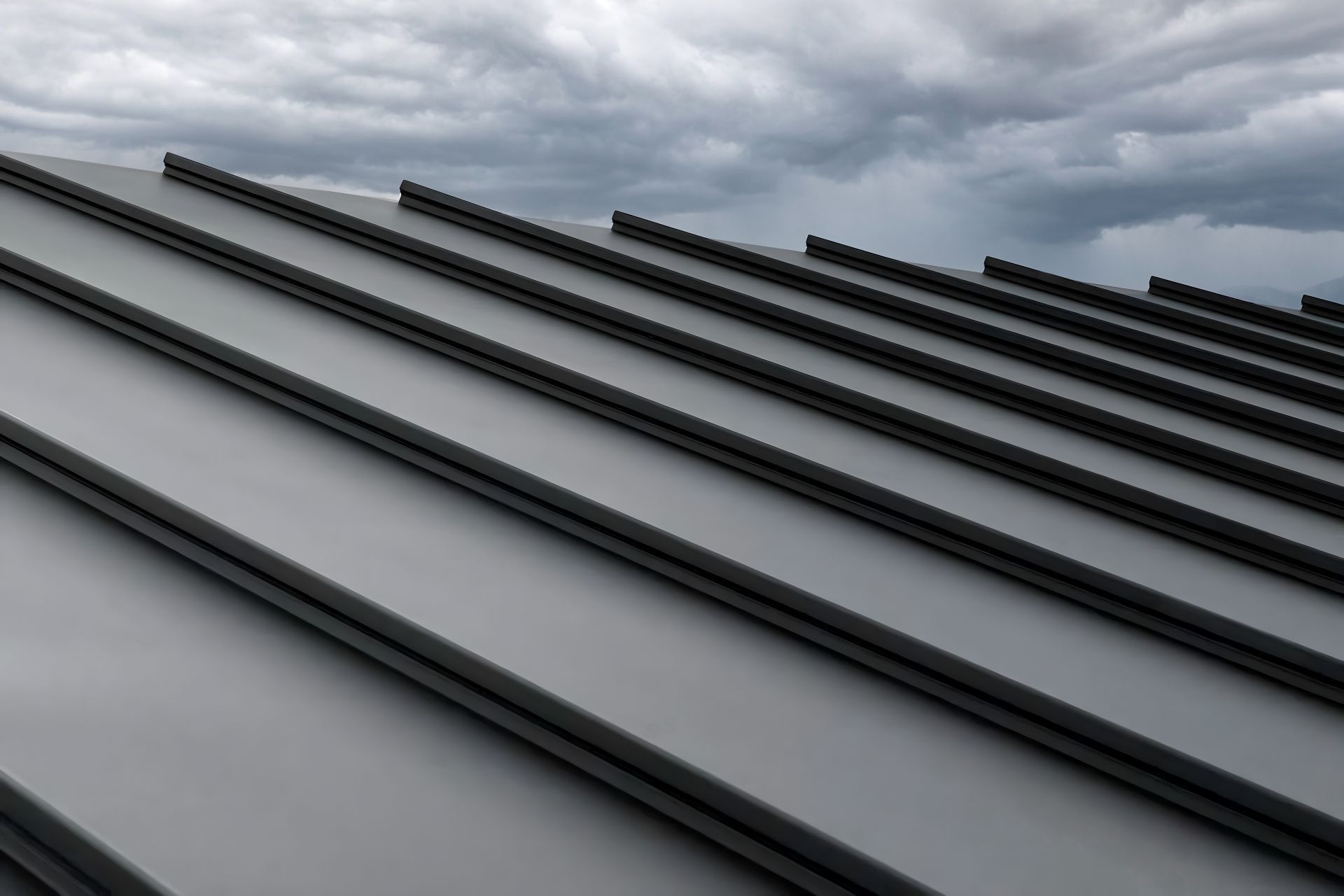
Asphalt shingles remain the most common choice due to lower material cost and faster installation, while standing seam metal roofs provide longer lifespans and better resistance to ice dam formation because snow slides off the smooth surface rather than accumulating. Steel roofing systems offer impact resistance and fire ratings that matter for properties near wooded areas, and slate roofing—whether natural stone or synthetic composite—delivers the longest service life but requires structural support due to the weight of the material.
Request a material comparison estimate to see cost differences, expected lifespan, and maintenance requirements for each roofing type.
What Changes After Material Upgrades
Energy-efficient roofing options include lighter-colored shingles or metal panels that reflect more sunlight, reducing attic temperatures during summer and lowering cooling costs in buildings without adequate attic ventilation. Metal and steel roofs expand and contract with temperature changes, so fastening systems use clips that allow movement without tearing fastener holes or cracking the panel coating.
Once upgraded materials are installed, you notice reduced noise during heavy rain if you switched to asphalt or synthetic slate, or increased noise if you installed metal without additional roof deck insulation. Standing seam metal roofs eliminate the need for periodic shingle replacement but require specialized tools and training for repairs, meaning not all roofing contractors can service them years later.
Natural slate is sourced as stone tiles that vary slightly in thickness and color, while synthetic slate uses composite materials molded to mimic the appearance of stone at a lower weight and cost. Both options outlast asphalt shingles by decades but require roofers experienced with brittle materials that crack under improper foot traffic during installation or maintenance.
What Property Owners Usually Ask
Clients considering material upgrades typically want to understand performance differences, cost trade-offs, and whether premium materials deliver measurable benefits for their specific building.
What is the lifespan difference between asphalt shingles and metal roofing?
Asphalt shingles last 20 to 30 years depending on quality and climate exposure, while standing seam metal roofs often exceed 50 years with minimal maintenance beyond occasional fastener inspections.
How does slate roofing handle freeze-thaw cycles in Trenton?
Natural slate is quarried stone that resists water absorption, preventing the cracking that occurs when moisture freezes and expands inside porous materials, though individual tiles can still break from impact damage.
Do metal roofs reduce cooling costs during summer?
Metal roofing with reflective coatings can lower attic temperatures by 10 to 20 degrees compared to dark asphalt shingles, reducing the load on air conditioning systems in poorly ventilated attics.
Why does steel roofing cost more than asphalt shingles?
Steel panels require specialized fastening systems, trim components for ridges and eaves, and skilled installation to ensure panel overlap prevents water intrusion, all of which add labor and material costs beyond basic shingle application.
Can synthetic slate be installed on any roof structure?
Synthetic slate weighs less than natural stone but still requires structural evaluation to confirm that rafters and decking can support the load, especially on older homes built for lighter asphalt shingles.
CrownMark Construction provides side-by-side cost estimates for different roofing materials, including installation complexity, expected lifespan, and maintenance requirements. Schedule a consultation to review material samples and discuss which roofing type aligns with your budget and property plans.