Surfaces That Handle Constant Foot Traffic
Flooring Installation in Trenton for homes with worn surfaces, moisture-damaged subfloors, or rooms requiring durable material upgrades
Hardwood flooring cupping along board edges signals subfloor moisture problems that will ruin any replacement material installed over the same substrate without addressing the source. Professional flooring installation from CrownMark Construction starts with subfloor evaluation and repairs, correcting uneven areas and moisture issues before luxury vinyl plank, laminate flooring, tile flooring, or engineered hardwood goes down. Tile flooring requires perfectly flat substrates because even minor dips cause hollow spots where tiles crack under concentrated weight, making underlayment preparation as important as the visible surface material.
Floor replacement involves removing existing materials down to joists when necessary to fix structural damage or level surfaces that have settled unevenly over decades. Luxury vinyl plank offers waterproof protection in moisture-prone areas like basements and bathrooms, while engineered hardwood provides authentic wood appearance with dimensional stability that solid hardwood can't match in below-grade installations. Laminate flooring installs quickly as a floating system over underlayment padding, but performs poorly in wet areas where seams swell and buckle once moisture penetrates.
Schedule a property evaluation to assess subfloor conditions and receive flooring recommendations based on room function and moisture exposure.
What You Notice Once Installation Is Finished
Subfloor repairs eliminate squeaks and bouncy spots by re-securing joists and replacing deteriorated plywood sections, creating a stable base that prevents installed flooring from developing movement patterns that loosen fasteners or crack grout. Hardwood flooring installation involves acclimating boards to interior humidity levels before nailing them down, preventing the gaps that open up when installers work with material straight from outdoor storage. Engineered hardwood uses plywood cores that resist expansion and contraction better than solid wood, making it suitable for installation over concrete slabs where moisture vapor would warp traditional hardwood within months.
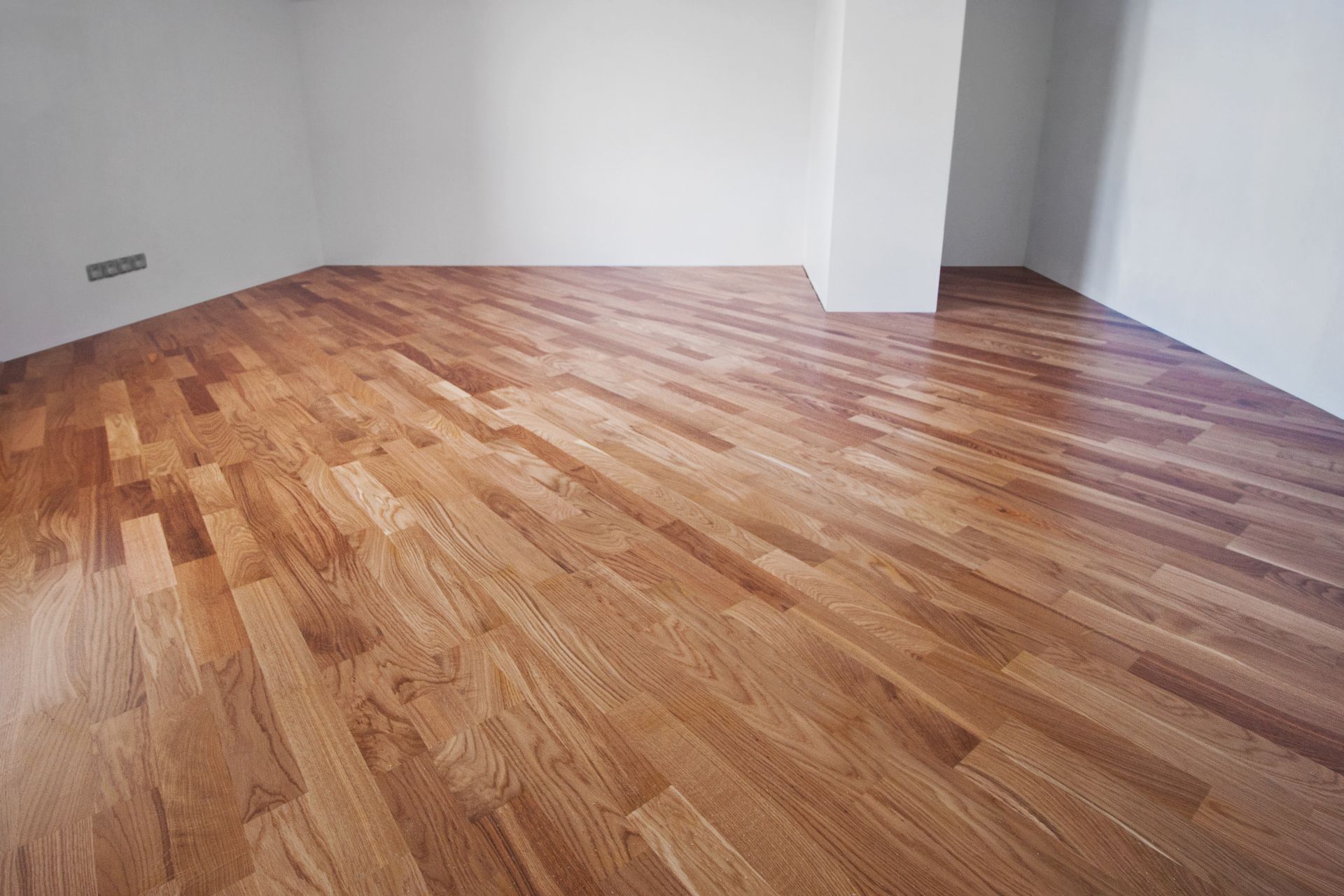
After installation completes, floors sit level without rocking furniture or causing doors to bind as you walk past, surface transitions between rooms align flush without tripping hazards, and materials meet walls with proper expansion gaps hidden under trim. Tile grout lines run straight without wandering, luxury vinyl plank seams lock tight without separating when chairs slide across, and hardwood boards show consistent color matching without jarring tone shifts between bundles.
Flooring projects sometimes reveal termite damage or water intrusion in subfloor areas that looked fine before removal started, requiring treatment or moisture remediation before new floors can go down safely. High-traffic areas benefit from harder flooring species or commercial-grade luxury vinyl that resists wear patterns better than softer materials show scratches and dullness within a few years.
What Property Owners Usually Ask
Material choices and installation requirements generate questions about performance differences and long-term durability expectations.
What flooring works best in Trenton basements with occasional moisture?
Luxury vinyl plank handles moisture without warping and installs as a floating floor over vapor barriers, making it more reliable than laminate or solid hardwood in below-grade spaces prone to humidity spikes.
How long does flooring installation take for an average room?
Single rooms typically take one to two days depending on material type and subfloor condition, though hardwood installation requires additional acclimation time before work begins.
Why do some floors develop squeaks after installation?
Squeaks occur when subfloor fasteners loosen or when flooring wasn't properly secured to joists, allowing movement between layers that creates friction noise with every step.
What's the difference between solid and engineered hardwood?
Solid hardwood is milled from single pieces of wood and can be refinished multiple times but expands significantly with moisture, while engineered hardwood uses thin wood veneers over plywood cores that stay dimensionally stable but allow fewer refinishing cycles.
Does tile flooring require special underlayment?
Tile needs rigid cement backer board or uncoupling membranes over wood subfloors to prevent flexing that cracks grout and tiles, unlike resilient flooring that tolerates minor substrate movement.
CrownMark Construction brings flooring samples to consultations and explains maintenance requirements, moisture tolerance, and expected lifespan for each material type. Contact us to arrange a site visit where we can assess your subfloor conditions and discuss options that match your budget and performance needs.